

recently Completed Mineral Sand Separation Plant Project at broken hill, new south wales
Jack Khallahle was engaged on a one year contract by Parsons Brinckerhoff and Bemax Resources Ltd now Cristal Mining Ltd to complete this project at Broken Hill, NSW. The capital cost for this project was approximately A$29 Million.
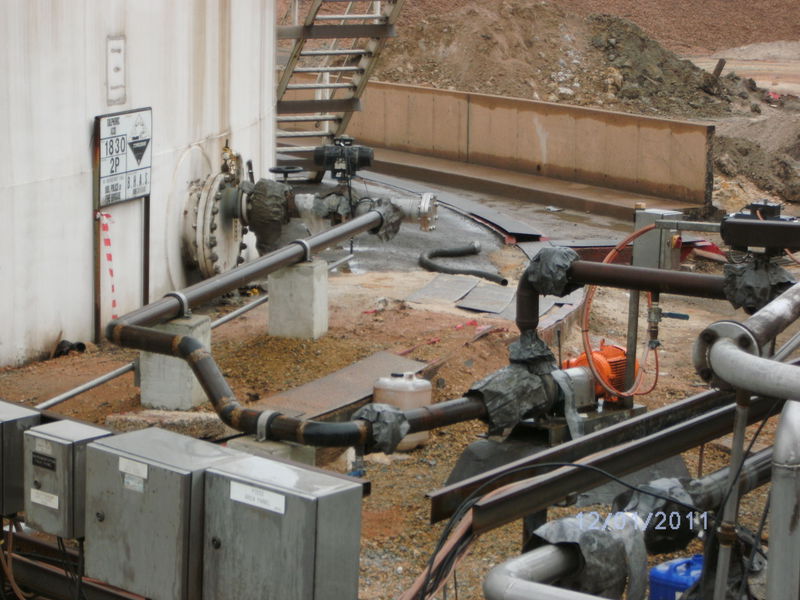
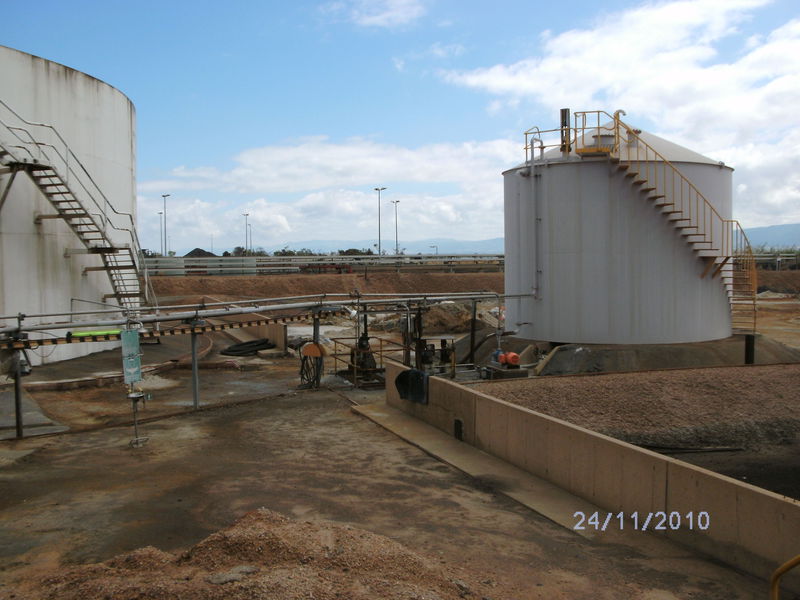
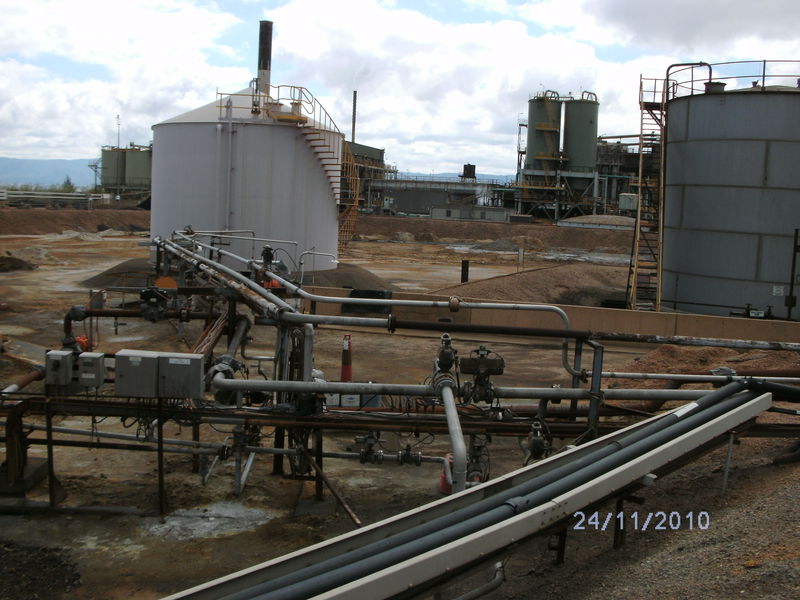
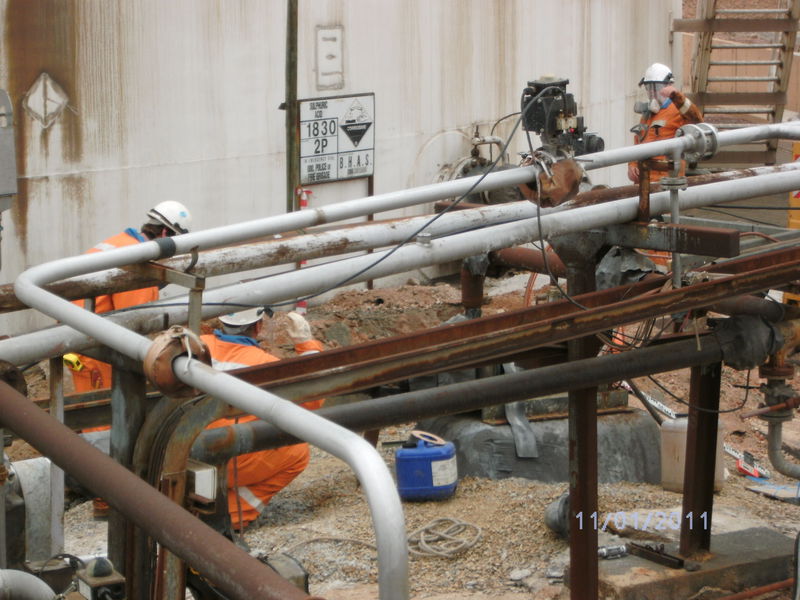
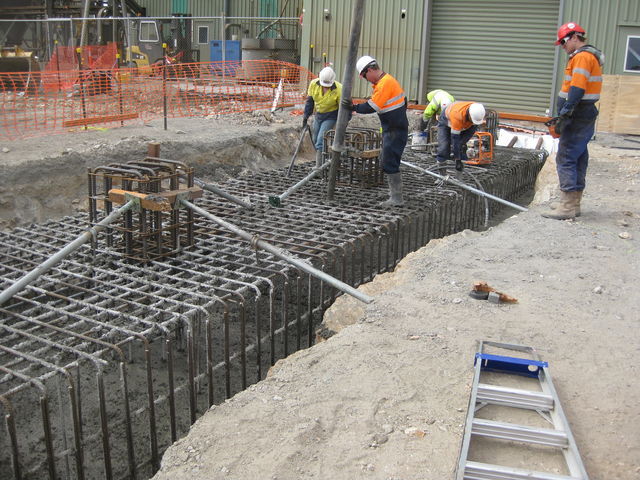
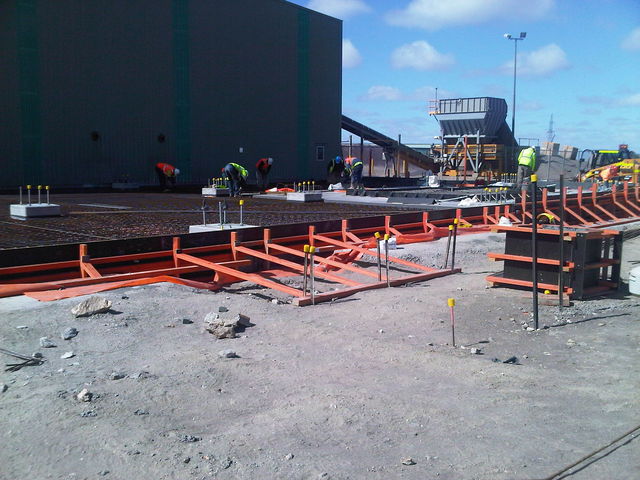
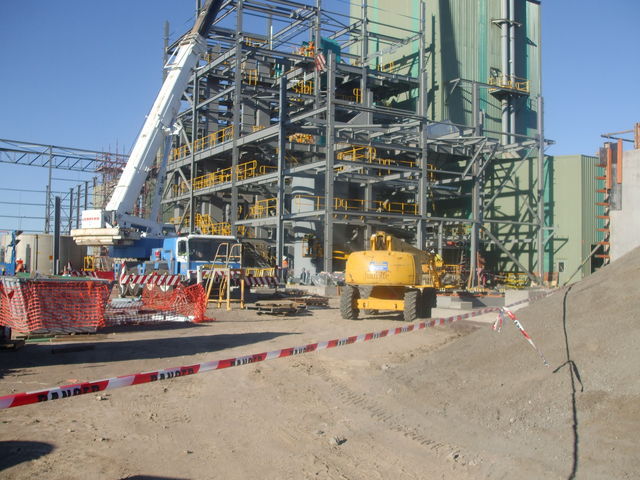
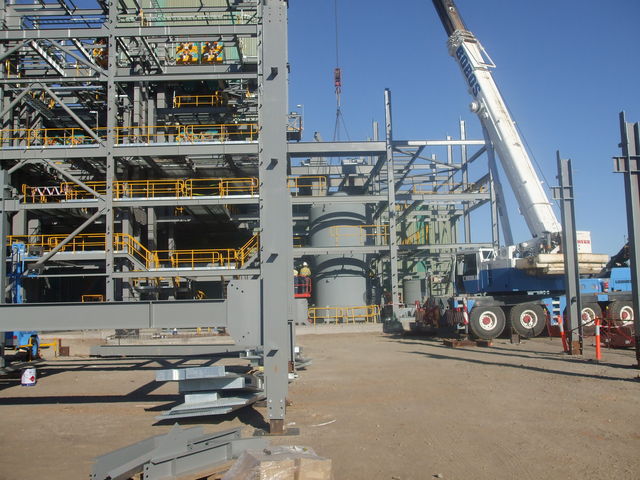
The Mineral Sand Separation Plant Project (image shown below) at Broken Hill in NSW for Parsons Brinkerhoff was a critical and schedule driven project where Jack was engaged on a contract and as part of the leadership team working as a Construction Manager. Jack was also tasked as a Senior Project Engineer to coordinate engineering design for the process plant and also tasked to develop the project management plan (project execution plan) for the entire project and other subsidiary project plans such as construction management plan, quality management plan, safety and environmental management plan etc.
Additiionally, Jack was tasked to coordinate and manage the building approval and certification process for construction and occupancy for the plant. Jack also managed and conducted design review and approval for construction of the entire Fire Safety System of both the new and the existing mineral processing facilities with fire engineers NDY from Sydney office and the NSW Fire brigade.
Refer to project gallery page for detail information on this particular project where JBCS Principal played a major role in ensuring that this project was delivered as scheduled and on time.
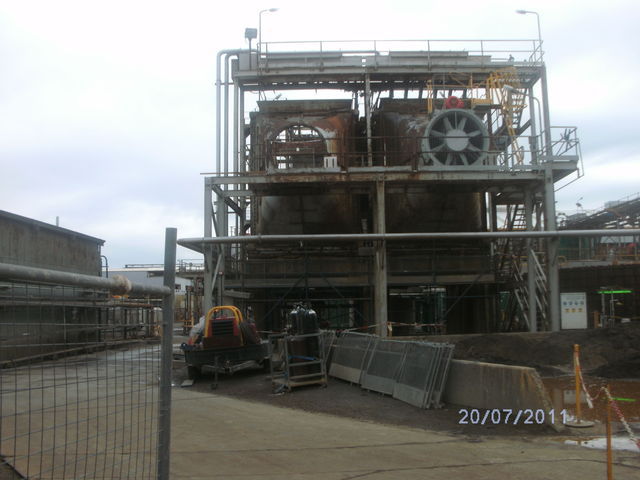
Neutral (A) South Cooling Tower Refurbishment Project-Zinc Plant, port Pirie, south Australia
Principal and Director of JBCS (Jack Khallahle) was employed as a Project Manager by Worley Parsons Services for Nyrstar WorleyParsons Project Alliance Contract, Port Pirie, SA. Capital cost was Approximately $1.5 Million.
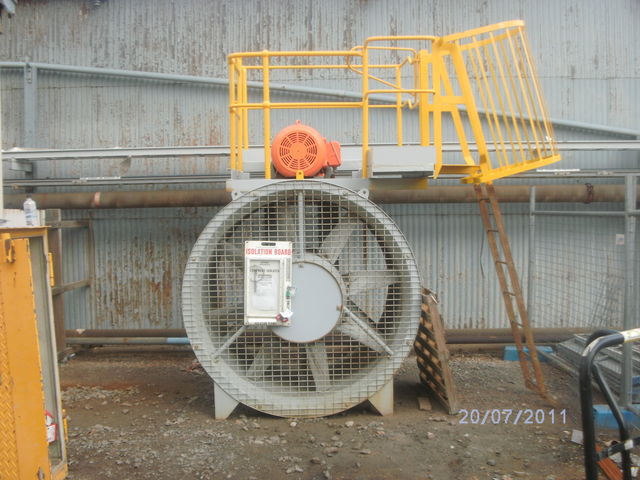
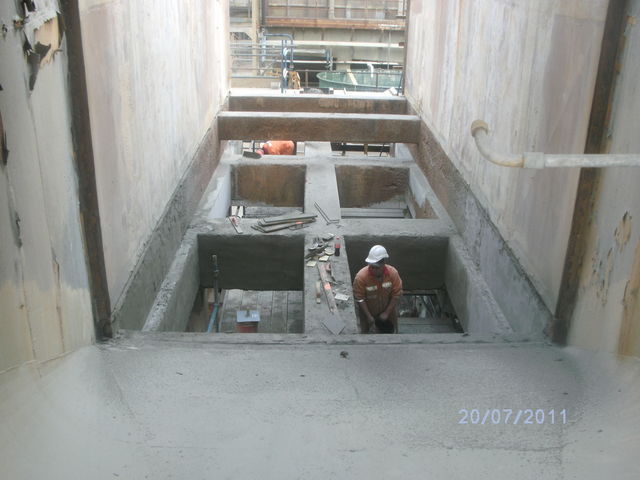
This project is located in the Zinc Plant at the Nyrstar Port Pirie (NPP) Smelter. The Scope of Work for this project was to design, procure and construction management for the supply, fabrication and installation works for the refurbishment of the Neutral Cooling Tower (Southern Unit) in the Zinc Plant. This includes the removal and installation of new wooden baffles, new packers, new drift eliminators, wooden eliminator supports; the repair of cracks to the towers fibre glass walls and the launder covers and the equipment supports at the top of the tower.
The project also includes the cleaning and repair (or replacement as required) of the following items: steelwork around the towers (including painting) and the repair of the concrete frames and steelwork underneath of the tower and installation and commissioning of air circulation fan for the neutral tower. JBCS Principal was the Project Manager managing all phases of the project to project closeout.
k92 mining ltd & chec haul road river crossing baupa river hydrological study project, k92 mine, ehp, papua new guinea
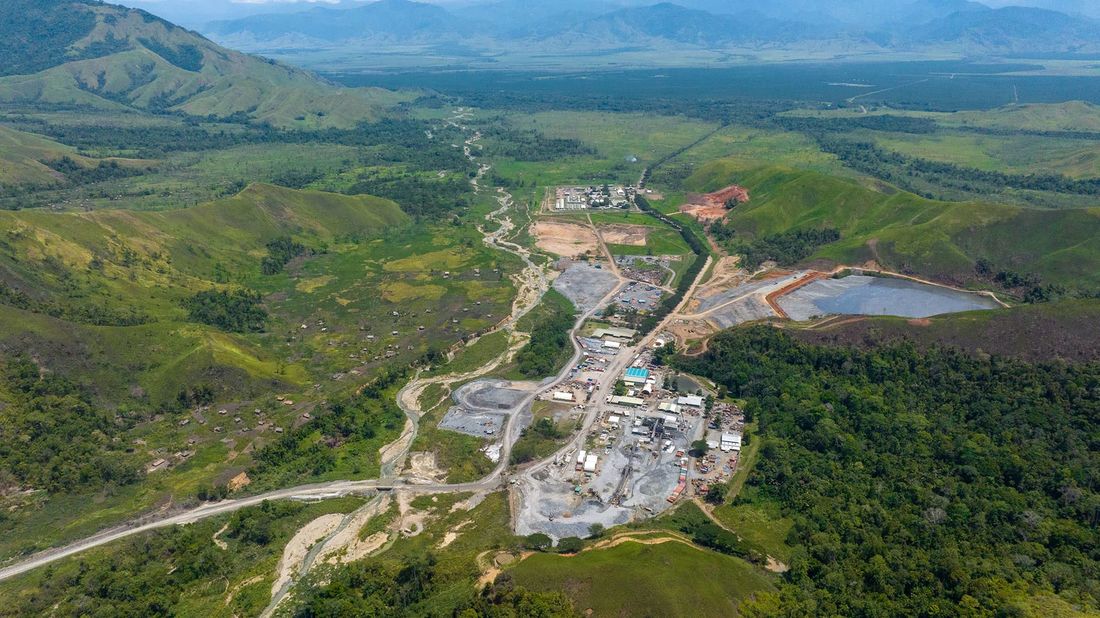
K92 Mine-Aerial View
Purpose of the Analysis:
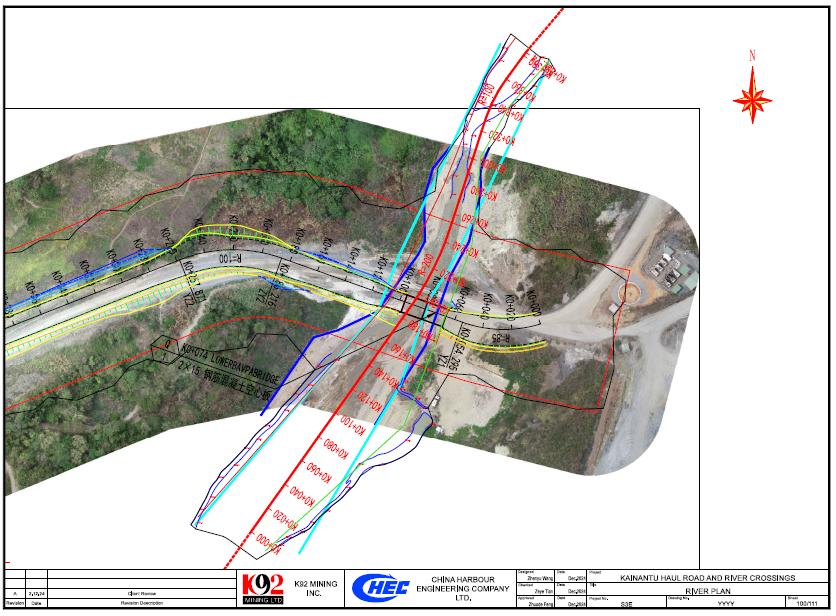
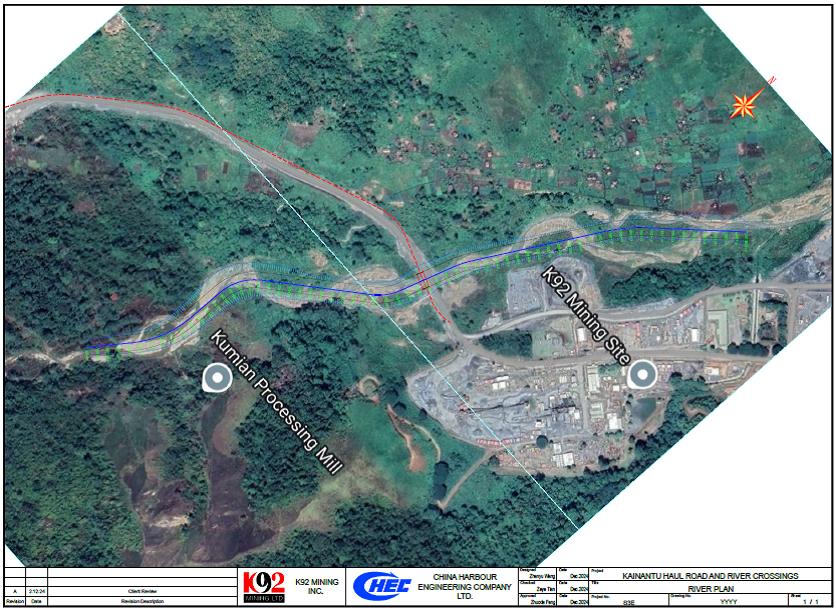
China Harbour Engineering Company (PNG) Ltd. (CHEC (PNG)) has a design and build contract with K92 Mining Ltd for upgrading the haul road and river crossings. CHEC (PNG) will design and build a new Lower Baupa Bridge. To support this, CHEC (PNG) developed a river dredging plan aimed at lowering the flood levels and requested J.Buckhill Consultancy Services (JBCS) to conduct a hydrological analysis based on the dredging plan and the hydrological data provided by CHEC (PNG) to determine maximum flood levels. The primary objective is to determine the water flow velocity and the 100-year flood level after the dredging at the bridge site.
Key Findings:
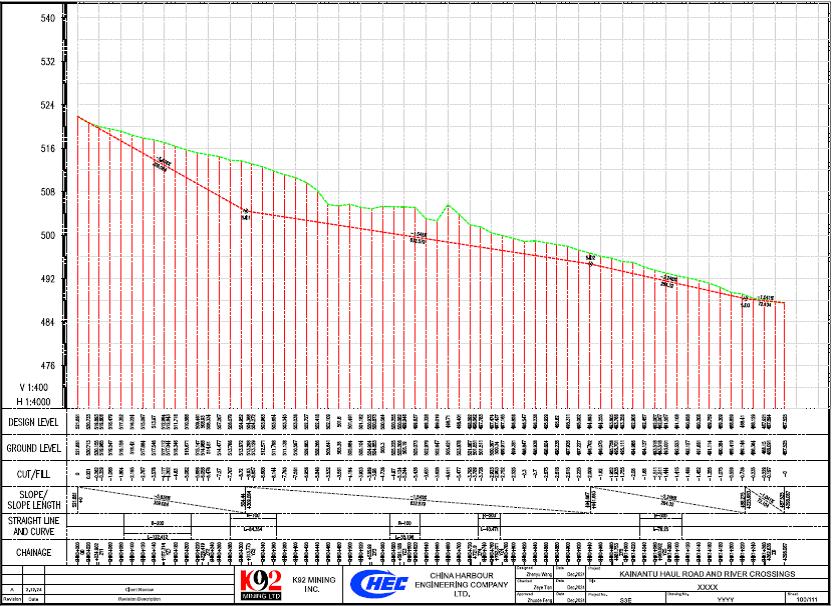
The analysis is based on a bed slope of 3.2% proposed for upstream of the bridge, transitioning to a 5% bed slope over a distance of 20 meters from the centreline of bridge and directly under the bridge. The results provide critical insights for the design and construction of the Lower Baupa Bridge, ensuring it can withstand the anticipated water flow and flood levels.
Table 1: The Estimated Peak Flow Flood Level at the Baupa River
| Crossing | Critical Duration(AEP) | 10-year AEP | 100-year AEP | Remarks |
| Lower Baupa | 10% 6hour 1% 3hour | Design riverbed level +2.5 m | Design riverbed level +3.11 m | Calculation refers to Section 3 |
Table 2: The Estimated Peak Flow Velocity at inlet and outlet of the bridge based on the Design Riverbed Level
| Crossing | Critical Duration (AEP) | 10-year AEP | 100-year AEP | Remarks |
| Lower Baupa | 10% 6hour 1% 3hour | 7.1 m/s | 7.9 m/s | 3.2% river bed slope |
| Lower Baupa | 10% 6hour 1% 3hour | 8.9 m/s | 9.9 m/s | 5% river bed slope |
The levels calculated and shown in Table 1 for each corresponding maximum flood flows fall within the range recommended by CHEC of 2 to 3 meters of dredging down from the existing riverbed level to the proposed river bed level described in Section 5. JBCS have conducted PNG Regional Flood Frequency Method for 100-year AEP resulting in the flowrate of 245 m³/s which is equal to EER flowrates of 246 m³/s based on the same method (PNG RFFM), hence, the decision to use Q100 for the peak flood flow of 534 m³/s from the catchment as the basis of design for sizing water structures.
Recommendations:
The worst-case design scenario of Q100 is used in the analysis and it is based on the riverbed slope of 3.2% proposed for upstream of the bridge, transitioning to a 5% bed slope over a distance of 20 meters from the centreline and directly under the bridge. A further 2% riverbed slope is proposed to be constructed past the outlet of the bridge and gradually ties into the existing bed slope of the river bed further downstream. A trapezoidal channel matching the bridge width with ripraps install on the river bed and on the batter wall (slope) are to be constructed with an option for flood dykes with sufficient freeboard incorporate into the design be installed on both side of the river channel to contain any variations in maximum flood levels.
Download report:K92 Mine Baupa River Crossing Hydrological Study Report
Other projects completed in Australia & png
The Principal of JBCS (Jack Khallahle) has completed many major projects at various sites throughout Australia and PNG as a project leader or project manager from concept design to practical implementation including pre-feasibility and feasibility studies. The following critical projects have been completed meeting clients requirements:
 | List of Other Projects Completed |